
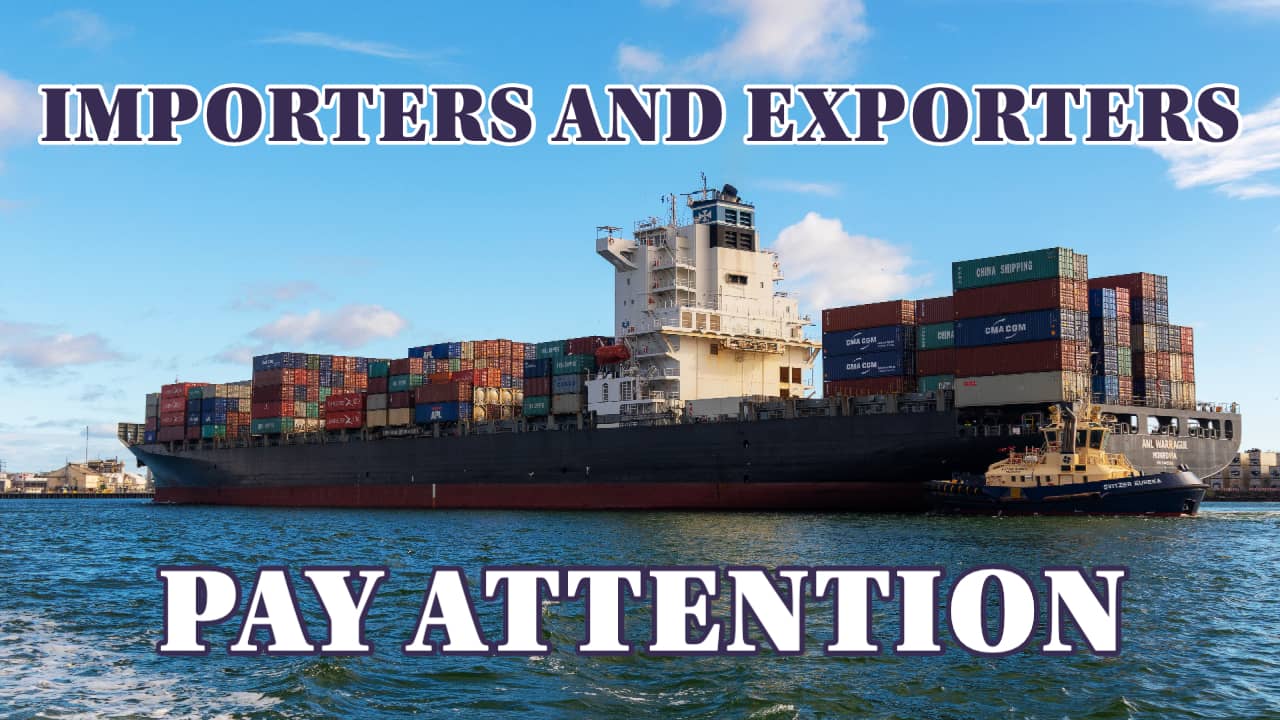
An Update on the Global Supply Chain Situation
4-minute read
The global shipping line Maersk reports that customers continue to face a raft of challenges as the Russia-Ukraine conflict weighs on the longer-term outlook for the global economy amid concern that inflation and higher energy prices will lead to lower consumer demand, damaging international trade.
According to Maersk, the short-term outlook, however, is more positive. Cargo volumes through Shanghai are returning to pre-lockdown levels, and demand from US consumers is pulling forward the peak shipping season on North American trades.

Increase in Containers Lost Overboard Sees Industry Take Action
5-minute read
The latest loss of containers from the APL Vanda has once again thrown the spotlight on the problem of boxes being lost at sea and what can be done to prevent it.
The CMA CGM vessel suffered a stack collapse that saw 55 containers lost overboard from a single bay in heavy weather en route from Singapore to Suez, just before entry to the Gulf of Aden. No injury was reported.
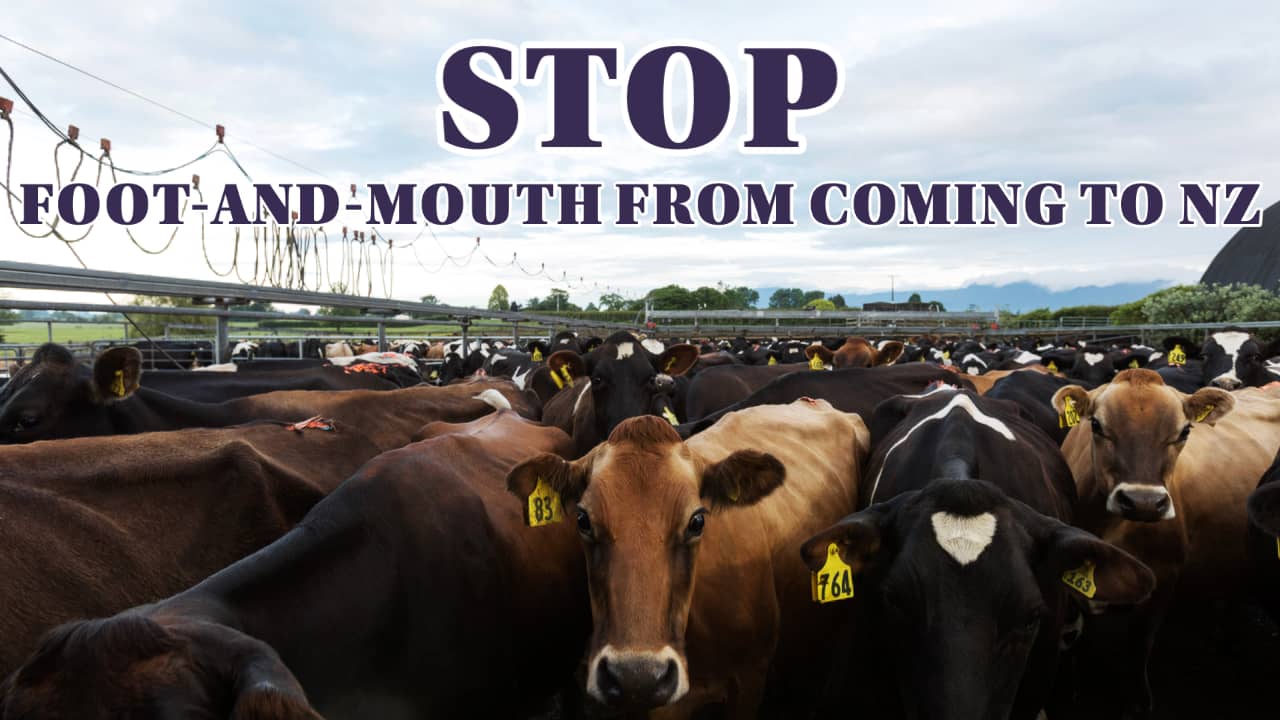
NZ Biosecurity Measures to Protect Against Foot-and-Mouth Disease
4-minute read
Since the foot-and-mouth disease was found in Indonesia recently, Biosecurity New Zealand have stepped up their work at the border to prevent the virus from arriving in New Zealand.
New Zealand does not currently have any flights directly from Bali or elsewhere in Indonesia to New Zealand.
Nevertheless, every passenger arrival card is examined, and those from countries that have Foot-and-Mouth Disease (FMD), including Indonesia, are directed to a different process of questioning, baggage search and disinfection.

Is Lack of Competition in Container Shipping Driving Poor Service and High Rates?
5-minute read
New Zealand importers and exporters will not be surprised that the Global Shippers’ Forum (GSF) has released its finding that there is a lack of competition in container shipping – that reality has hit this country hard over the last two decades.
The only new brushstroke to this picture is that the GSF believes the true situation is largely hidden because of cooperation between carriers which results in a more highly-concentrated industry than appears on the surface.
Official summations of competitiveness fail to take this into account.
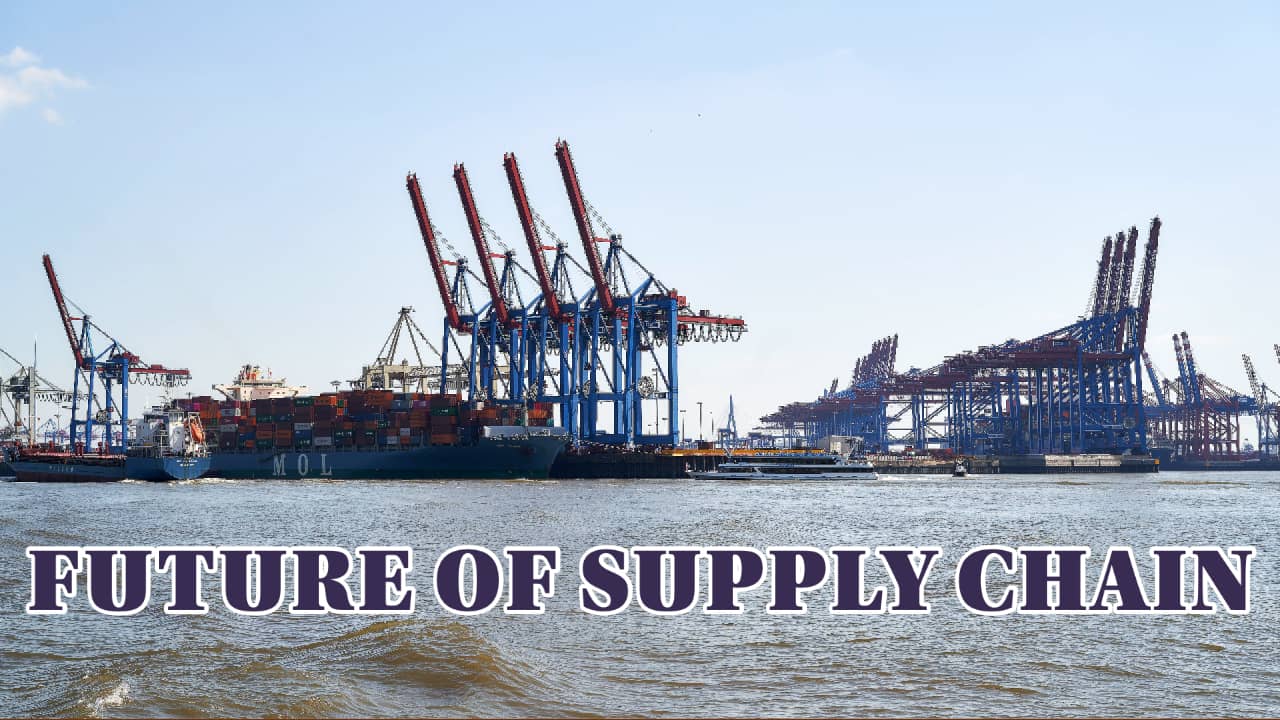
What’s Next for Container Shipping and Ocean Supply Chains?
15-minute read
For those of us who lack the crystal ball, this extract from Lodestar’s interview with the CEO of Vespucci Maritime, Lars Jensen, one of the world’s leading analysts and former shipping executive, will hopefully provide some intel on the future of the supply chain.
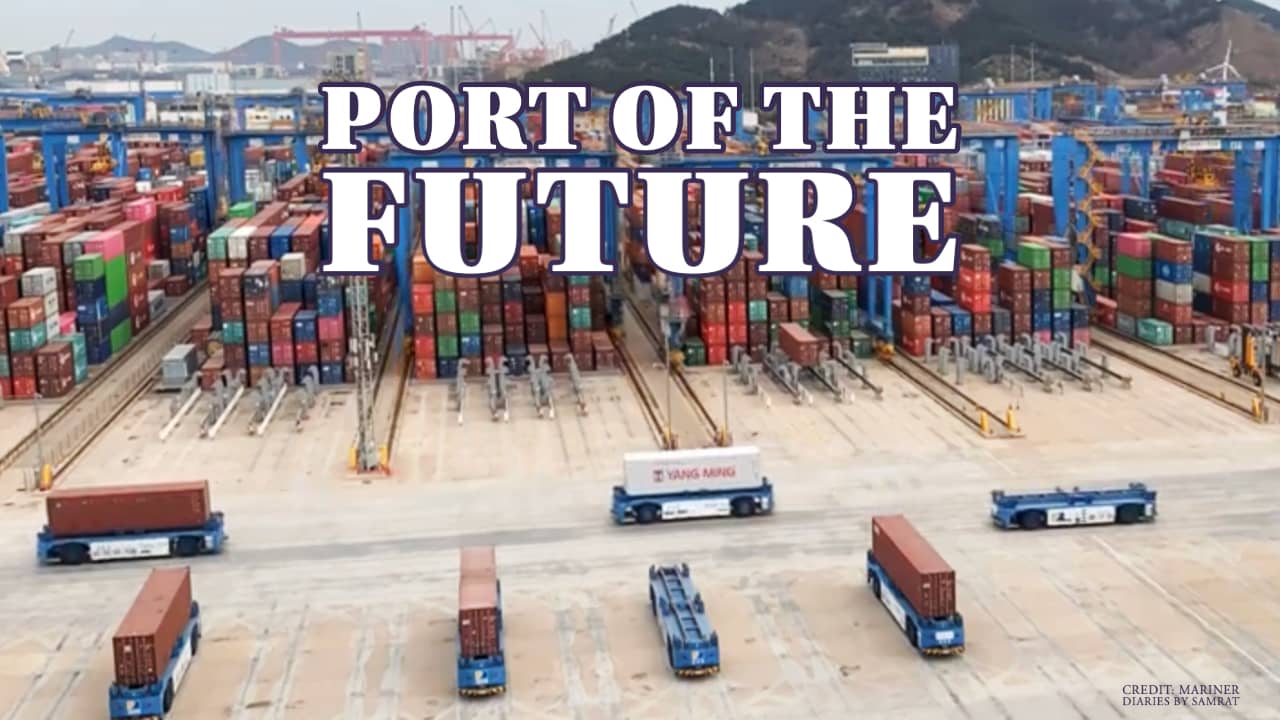
Qingdao is the World’s First Hydrogen-Powered and 5G Intelligent Port
2-minute read (30-second watch)
Shandong Provincial People’s Government has shared insights into its automated container terminal at Qingdao Port as part of the 2022 Qingdao Multinationals Summit.
Shandong Port Group and Qingdao New Qianwan Container Terminal explained that Qingdao Port is now one of the world’s leading automated container terminals equipped with state-of-the-art technologies, a high degree of automation and high loading and offloading efficiency.

What Does a Freight Forwarder Do?
3-minute read
Shipping companies are increasingly ”going up and down the supply chain” seeking to take on some of the work that freight forwarders have traditionally carried out.
So, it is important to clarify what freight forwarders do and emphasise the value they bring to New Zealand?
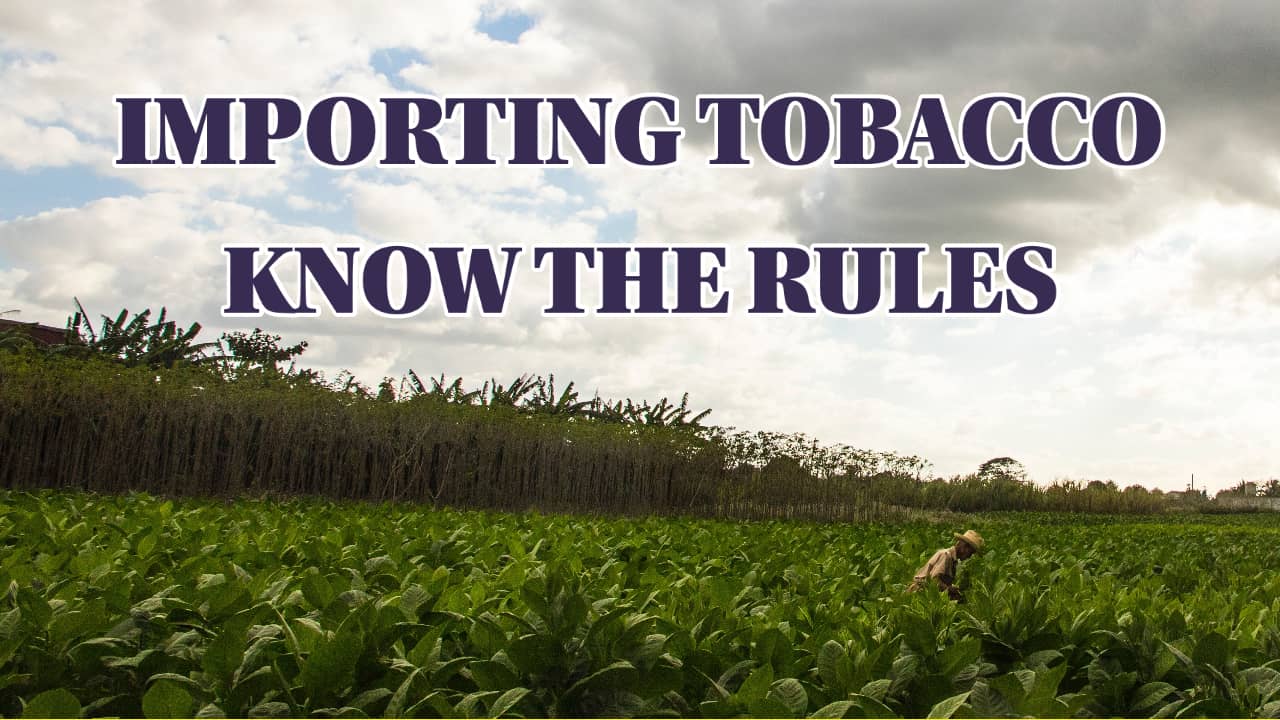
New Rules for Importing Tobacco Products into New Zealand
4-minute read
When you import or bring tobacco products into New Zealand, you must comply with New Zealand laws. You must pay all relevant taxes on your imported tobacco at the border.
What are the new rules for importing tobacco products?
From 25 May 2022, water-pipe tobacco is a prohibited import requiring a permit to import.

How to Import Dried Flowers Into New Zealand
5-minute read
Dried flowers have become one of the most sought-after interior trends worldwide.
According to the Guardian, a summer of cancelled weddings during the global pandemic and havoc in global supply chains, presenting unprecedented challenges for floral businesses everywhere, have led to a big new trend of the dried flower craze.
But did you know that to import dried or preserved flower or plant products into New Zealand, you’ll need to comply with an import health standard for your product and meet various treatment, packing, and biosecurity requirements.

Auckland Port Abandons Automation Project and Welcomes World’s First E-Tug
5-minute read (40-seconds watch)
Ports of Auckland’s new tug Sparky cruised into the port last week, notching a milestone as the world’s first full-sized ship-handling electric tug.
Ports of Auckland chief executive Roger Gray says welcoming Sparky is an exciting day for everyone.
“Sparky is the first e-tug of its type in the world and was a truly innovative project for us. Her arrival marks a big step towards the ports’ decarbonisation of operations and towards our long-term emissions reduction goals,” he says.